Five phones are dropping this month. Two matter to most people.
Gizmochina flagged the wave first: the POCO M8 Power 5G on the cheap end, Google’s Pixel 11 series carrying the new Tensor chipset on the other. Digit’s rundown of the same month called it a genuine budget-versus-flagship dilemma, and that’s the tension worth unpacking. Because “5G” on a spec sheet tells you almost nothing about whether the phone can actually hold a demanding app open without choking.
Here’s the problem nobody puts in the marketing copy. A modem can pull a fast signal while the chipset underneath still can’t render a busy screen without dropping frames. Those are two separate jobs, and budget phones routinely nail one and fumble the other. So before anyone drops $180-$250 on a new device this month, it’s worth knowing exactly where that failure point tends to show up.
What “Smooth” Actually Means on a Budget Chipset
Smooth isn’t a vibe. It’s a number, and the number is frame consistency under load, not peak speed in a spec sheet.
A mid-range Snapdragon or MediaTek chip can absolutely hit acceptable benchmark scores in isolation. Throw multiple demands at it at once (a live video decode, a persistent network socket, a rendering engine painting UI updates 30+ times a second) and cheaper silicon starts shedding frames to keep the connection alive. That’s thermal throttling and memory bandwidth limits doing exactly what they’re designed to do. Protect the chip. Not protect your experience.
GSMArena’s chipset benchmark comparisons make this gap visible in raw numbers. The difference between a $200 phone’s GPU throughput and a flagship’s isn’t 10-15%. It’s often two to three times the sustained performance, and that gap widens the longer an app runs.
The Motorola Moto G 5G is the case study everyone keeps citing this cycle. Fast modem. Fine camera. But Notebookcheck’s review roundup flags the same complaint across multiple testers: it bogs down hard the moment you ask it to do more than one demanding thing simultaneously. Scroll a media-heavy feed while a background app pings a server and the UI starts stuttering within minutes.
Where the Cracks Actually Show Up
Most budget-phone reviews test the wrong things. Camera samples. Battery loops. A few rounds of a lightweight mobile game.
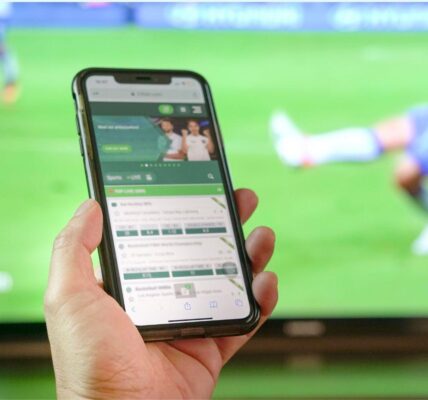
That’s not where a cheap chipset fails. It fails on sustained, real-time rendering paired with a live network connection that can’t drop or lag without the user noticing immediately. Video calls under weak Wi-Fi. Live sports streams during a scoring play. Anything where the screen is being redrawn constantly and the data pipe behind it has zero tolerance for delay.
One of the more reliable stress tests, and one almost nobody runs before buying, is a live-rendered browser table. Think of any app that streams a real-time video feed of a physical game running continuously, paired with instant state updates the moment something changes on screen. That combination hammers the GPU and the radio at the same time, which is exactly the scenario budget chipsets handle worst. If either piece lags, even briefly, the whole experience falls apart because the visual and the data have to stay in lockstep.
Curious readers who want to actually feel this on their own new hardware rather than take a spec sheet’s word for it can browse roulette sites and watch how a live wheel spin holds up under real network conditions. A budget phone that keeps the video feed crisp and the reconnect times fast when the signal wobbles is a phone that’s genuinely handling its silicon well, not just quoting a fast modem on the box.
A quick, honest gambling note here: if you do try this kind of test, keep it as exactly that, a stress test. Only ever wager what you’re fully prepared to lose, and if it stops feeling like a test and starts feeling like a habit, that’s worth paying attention to.
The POCO and Pixel Split, and What It Tells You
The POCO M8 Power 5G is chasing volume. Big battery, aggressive price, a chipset built to hit acceptable numbers in short bursts rather than sustained heavy use. That’s not a knock. It’s a design choice, and for someone whose “demanding” use case is messaging and photos, it’s the right one.
The Pixel 11 series is a different animal entirely. Google’s new Tensor silicon is aimed squarely at sustained, AI-heavy workloads: live transcription, on-device processing, background tasks that never really stop running. Tech Times’ rundown of gaming-focused Android phones for 2026 puts sustained thermal management at the center of what separates a phone that stays lag-free from one that doesn’t, and that’s the exact quality budget chipsets sacrifice first to hit their price point.
Neither approach is wrong. But conflating the two, buying a volume-focused budget phone and expecting flagship-grade sustained rendering, is where buyer’s remorse comes from three weeks later.
A Buyer’s Checklist That Actually Matters
Skip the spec sheet theater. Check these instead.
- Sustained benchmark scores, not single-run peaks. A chip that scores well once and throttles hard on the second run is a chip that’ll frustrate you daily.
- RAM management under multitasking. Cheap phones cut corners here first, and it shows the moment you switch apps mid-task.
- Modem-to-chipset balance. A fast 5G radio paired with a weak GPU is a mismatched pair. You’ll get quick downloads and choppy playback.
- Real reviews from people who stress-tested it, not unboxing videos. Stuff’s rated 5G phone guide breaks phones down by actual sustained-use tiers rather than launch-day hype, which is a far better signal.
Is $200 Ever Enough?
Sometimes. Rarely for anything sustained.
BGR’s roundup of budget phones still worth buying this year makes a fair point: a handful of sub-$250 devices punch well above their price if your use case stays light. Texting, browsing, casual photos. The moment you add sustained live rendering, whether that’s gaming, streaming, or anything with a constant data feed, the gap between budget and mid-range widens fast.
That’s the real story behind this month’s launch wave. Not which phone is cheapest. Which one survives the use case you’re actually going to throw at it in six months, not the one you imagined at checkout.
Frequently Asked Questions
Does a 5G modem guarantee smooth app performance? No. A fast modem handles data speed, not rendering. A phone can pull a strong 5G signal and still stutter badly on graphically demanding or live-updating apps if the chipset and RAM can’t keep pace with what’s on screen.
What’s the biggest performance gap between budget and flagship chipsets in 2026? Sustained throughput under thermal load. Budget chips often match flagships on short benchmark bursts but fall two to three times behind once a workload runs for several minutes and the chip has to throttle to manage heat.
Is the POCO M8 Power 5G good for demanding apps? It’s built for value and battery life, not sustained heavy rendering. Light tasks run fine. Anything combining live video, real-time updates, and a persistent connection will likely expose its limits faster than a flagship chipset would.
How can I actually test my new phone’s real-world performance? Run it through a sustained, real-time task rather than a single benchmark app. Live video streams, video calls on weak Wi-Fi, or any continuously updating browser app will reveal frame drops and reconnect lag that spec sheets never mention.
Should I wait for the Pixel 11 instead of buying a budget 5G phone now? Depends on your use case. If you need sustained AI processing or heavy multitasking, the Pixel 11’s Tensor chipset is built for that. If your daily use is light, a budget phone at half the price will likely serve you just as well.
Either way, the phone that actually earns its price tag in 2026 is the one that holds up after the first week, not the one that wins the spec sheet on launch day.