Have you ever played an online game and somehow known exactly where to click, what just happened, or what you should pay attention to next without anyone explaining it?
That usually is not an accident. Good online games use sound, movement, colour, animation, and layout to quietly guide players through the experience. These design elements help players understand what is happening without filling the screen with instructions.
For beginners, understanding these signals can make online games much easier to follow. It also helps players separate useful design from flashy effects that may simply be trying to hold their attention.
Visual Design Shows Players Where to Look
Before a player hears a sound or sees an animation, the layout of the screen is already providing information. Designers use size, position, contrast, and colour to show which elements matter most.
A clear interface should make the next action reasonably easy to understand without forcing players to search around the screen.
Important Elements Usually Receive More Attention
Buttons that control major actions are often larger or more noticeable than less important options. Information such as balances, scores, timers, or สล็อตเว็บตรง game status may appear in consistent positions so players can find them quickly.
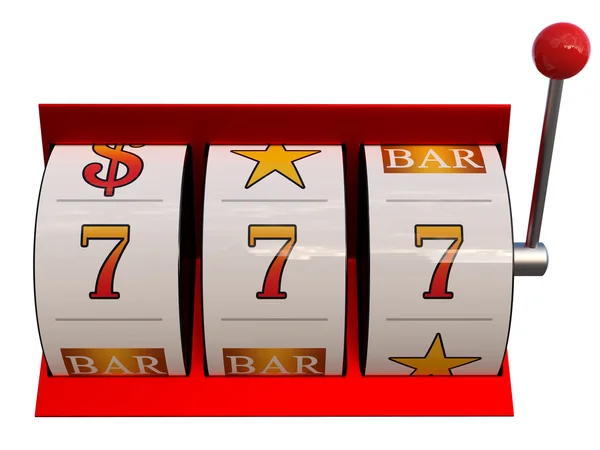
For example, an online slot usually places the reels at the centre because that is where the main action happens. Controls such as spin, bet adjustment, and game information are normally positioned around that central area.
Other online games use similar logic. A racing game may place speed information near the edge of the screen, while a strategy game may keep resources and controls visible without covering the play area.
Motion Helps Explain What Just Happened
Movement is not only there to make games look lively. Animation can communicate changes much faster than text.
When something moves, flashes, expands, disappears, or changes direction, the player immediately knows that something has happened.
Animation Can Connect Actions With Results
Imagine clicking a button and seeing absolutely nothing happen for a few seconds. Most people would wonder whether the click worked.
Games avoid this problem through visual feedback.
A button might briefly change shape when pressed. A card might flip after being selected. A symbol might glow after becoming part of a winning combination.
In slot games, for example, reels spinning and then stopping make the sequence of events easy to follow. Winning symbols may then highlight or animate so players can see which part of the result mattered.
The animation does not change the randomness of the outcome. It simply makes the result easier to understand.
Sound Provides Another Layer of Feedback
Sound can communicate information even when the player is not watching every part of the screen.
Different audio cues may indicate success, failure, warnings, completed actions, or changes in the game state.
Short Sounds Can Carry Useful Information
Players quickly learn associations between particular sounds and events.
A game might use:
- a click sound when a button responds;
- a short tone when a task is completed;
- a warning sound when time is running low;
- different music when a new stage begins;
Colour and Contrast Help Players Read the Interface
Colour can make a complicated screen easier to understand, but only when it is used consistently.
Designers often use different colours to separate actions, warnings, status indicators, and interactive elements.
Consistency Matters More Than Brightness
A bright interface is not automatically a clear interface.
Suppose one colour is used for active buttons throughout a game. Players soon learn that anything using that colour is probably interactive. If the colour suddenly means something completely different on another screen, confusion increases.
Good design also avoids relying entirely on colour. Symbols, labels, movement, or shapes can provide extra clues, which is particularly useful for players with different visual needs.
When exploring a new game, beginners should spend a moment looking at how the interface communicates information before taking actions involving real money.
Games Combine Several Signals at Once
The most effective interfaces rarely depend on only one design element. Sound, animation, text, and colour usually work together. This gives players several ways to understand the same event.
A Single Event May Trigger Multiple Signals
Consider a bonus feature in a slot game. The game might:
- highlight certain symbols;
- play a different sound;
- animate the screen;
- display explanatory text;
- change the visual layout for the feature.
Flashy Design Should Not Be Confused With Better Odds
One important point for players, especially around gambling-style games, is that presentation and probability are different things.
Exciting animation can make an event feel significant, but it does not necessarily mean the player was close to a better result.
Near Misses Can Feel More Important Than They Are
A slot might visually emphasise two matching symbols while a third required symbol does not appear. Dramatic music or slower animation can make that moment feel unusually important.
However, the visual presentation does not change the underlying outcome.
Players should therefore focus on actual FAFA828 game information rather than judging chances from animation or sound alone.
Useful details to review may include:
- game rules;
- paytable information;
- volatility or risk level;
- RTP information when provided;
- feature conditions;
- wager requirements for any promotional feature.
Beginners Should Learn the Interface Before Increasing Their Bets
A new game can feel simple because the buttons are easy to press, but understanding the interface properly still matters.
Before spending more money, players should know what each control does and what the visual signals actually mean.
Start by Checking the Basics
A sensible beginner approach is to understand:
- how bets are changed;
- what triggers a game round;
- whether autoplay exists and how it works;
- how wins or points are displayed;
- where rules can be found;
- whether sound and animation settings can be adjusted.
Final Takeaway
Sound, motion, and visual design do much more than make online games look attractive. They help players understand actions, recognise important events, navigate menus, and follow changes in gameplay.
The most useful design gives clear feedback without making players work to understand what is happening.
For beginners, learning to read these signals can make online games easier to follow. Just remember that presentation and probability are separate things. A dramatic animation may make a moment feel exciting, but sensible decisions still come from understanding the rules, checking the game information, controlling spending, and keeping online gaming in the category it belongs in: entertainment.