Mastering Tactical Play: Arendir Colnas’ Proven Gaming Strategies For Competitive Wins (2026)
The article covers gaming tactics by arendir colnas and explains clear steps players can use to win. It outlines his core ideas on map control, decision-making, and team work. Readers will get practical actions, simple drills, and examples they can apply in ranked play. The tone stays direct and factual to help players test the tactics quickly.
Key Takeaways
- Gaming tactics by Arendir Colnas emphasize incremental, repeatable decisions using clear mental questions to gain consistent advantages.
- Mastering map control through pressure on key zones and intentional rotations turns positioning into resources and scoring chances.
- Colnas provides specific counters to common positioning patterns, reducing surprise losses and enhancing map dominance.
- Quick, simplified decision-making under pressure improves clutch performance and minimizes tilt in high-stakes moments.
- Active reading of opponent habits and varied tempo forces errors, enabling safer and more strategic wins.
- Clear role definitions, focused practice habits, and effective drills support team coordination and steady skill improvement.
The Arendir Colnas Approach To Tactical Thinking
Arendir Colnas frames tactical play as a chain of small, repeatable choices. He studies time, space, and resources. He prefers incremental gains over risky all-or-nothing plays. He uses short feedback loops to refine choices after each match. He prioritizes clarity in roles and aims for predictable responses from teammates. He trains players to ask three quick questions each decision: What do I gain? What do I risk? Who benefits? Players who follow gaming tactics by arendir colnas learn to turn small advantages into wins consistently.
Map Control And Positional Advantage
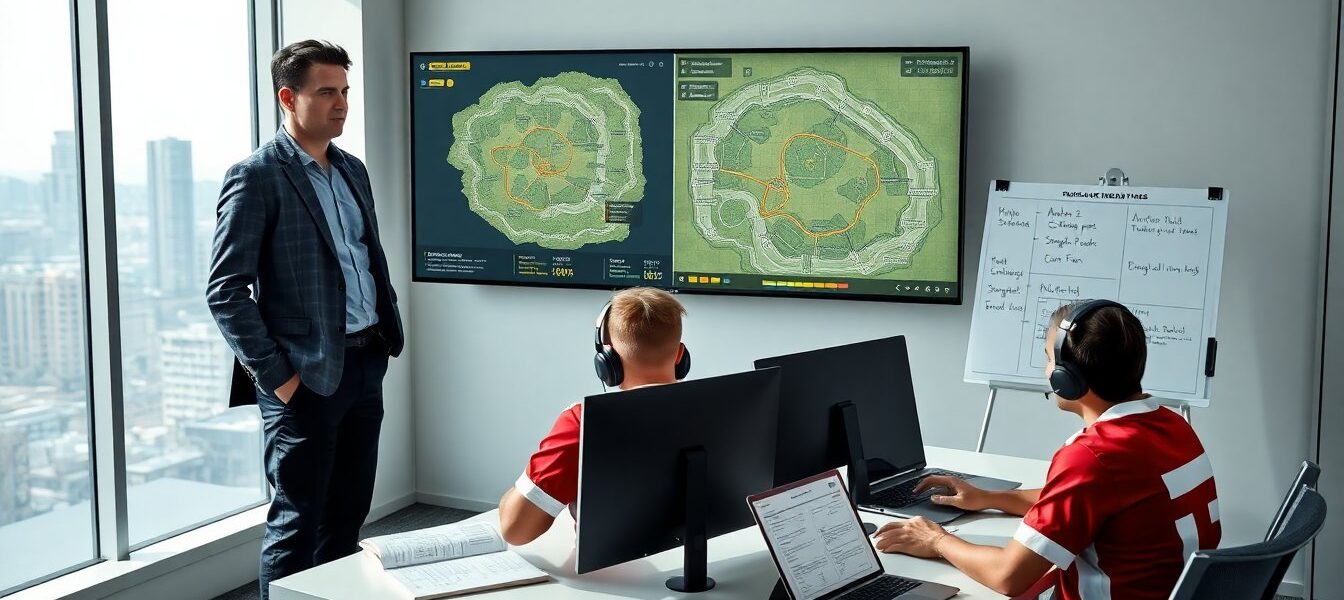
Colnas teaches map control as active pressure on key zones. He marks choke points, sightlines, and rotation paths. He assigns value to each area based on objective timers and enemy routes. He guides players to hold high-value zones long enough to force enemy mistakes. He recommends simple spacing rules: keep vision, avoid clumping, and rotate with intention. He trains players to convert position into resources like time, health, or numbers. Teams that use gaming tactics by arendir colnas turn map pressure into concrete scoring chances and objective control.
Common Positioning Patterns And Counters
Colnas catalogs three common patterns: anchor hold, staggered push, and bait-feint. He counsels specific counters for each. Against anchor hold, he suggests flank pressure and noise to split attention. Against staggered push, he advises synchronized disengages and focused trades. Against bait-feint, he recommends measured peeks and trap setups. He drills players on clear role assignments during each pattern. He asks teams to practice these counters until reactions become automatic. Players who study gaming tactics by arendir colnas reduce surprise losses and improve map control.
Adaptive Decision-Making In High-Stakes Moments
Colnas stresses fast, factual judgement in pressure. He trains players to simplify options to three clear choices. He ranks those choices by safety, reward, and team impact. He uses quick mental checks: timer, cooldowns, and ally status. He tells players to default to the safest option when information is poor. He practices decision drills that mimic tight timers and limited vision. Teams that adopt gaming tactics by arendir colnas improve clutch performance and reduce tilt under stress.
Reading Opponents And Forcing Errors
Colnas teaches active reading of opponent habits across rounds. He records tendencies like aggressive peeks, slow rotations, or repeated item builds. He uses that data to set traps and bait predictable moves. He trains players to vary tempo to unsettle foes. He encourages short-term pattern breaks to force mistakes. He also teaches risk budgeting: invest pressure where opponents show weakness. Players who apply gaming tactics by arendir colnas force more opponent errors and win with fewer chaotic fights.
Team Coordination, Roles, And Practice Habits
Colnas defines clear role labels and simple responsibilities. He keeps role lists short and actionable. He sets expectations for communication, like concise callouts and single-line plans. He schedules short practice blocks focused on one skill at a time. He balances solo play, scrims, and review sessions. He uses match review to highlight three repeatable fixes per player. Teams that follow gaming tactics by arendir colnas build consistent habits and reduce in-game confusion quickly.
Effective Drills And Mental Conditioning
Colnas designs drills that target timing, aim, and rotation clarity. He runs 10-minute focus drills and 20-minute scenario runs. He pairs drills with mental work like breath control and short pre-game routines. He asks players to log one learning point after each session. He limits review notes to three clear takeaways to avoid overload. He recommends rest and short breaks to keep concentration high. Players who follow gaming tactics by arendir colnas improve faster and keep performance steady across long sessions.