
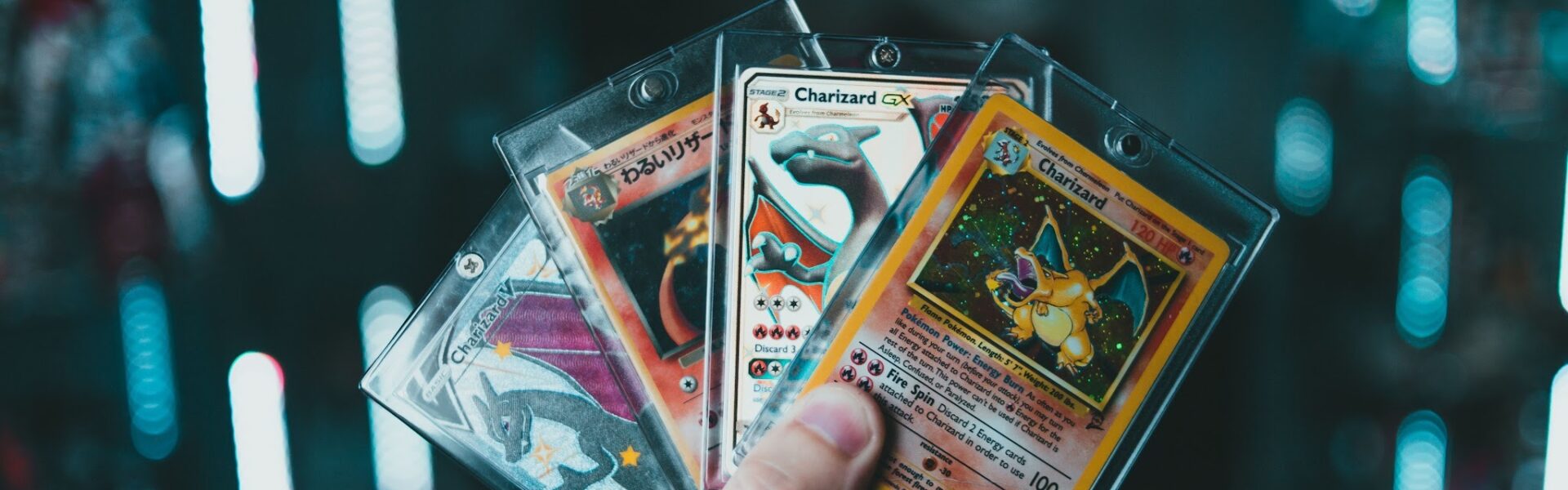
An ungraded Pokémon card has no slab, no certification number, and no official score. It has cardboard, ink, corners, surface, and a market that can be fussy about all four. That can feel strange when the same binder also holds birthday memories and school-trade diplomacy. The market has grown far beyond that setting. In 2026, Circana reported that Pokémon became the top toy property in the U.S. in 2025, with $2.5 billion in sales and 87 percent year-over-year growth.
Card value checker sites help because ungraded cards create extra work. A raw card needs an identity check, a condition check, and a price check against sales that have closed. That’s a lot to ask from a parent, a collector, or a gamer who found an old binder beside a stack of cables. The strongest first move is to treat the card as data before treating it as treasure.
A Pokémon card value checker powered by CardTrack can help collectors connect those details and avoid a guess based on one dramatic sale. It gives readers a way to compare version, condition, and market movement while keeping the card raw. That helps when someone owns a Base Set holo, a Japanese promo, or a modern alternate-art card and wants a grounded view before trading or selling. A tracker doesn’t replace buyer demand, but it can turn a messy search into a workable estimate.
Identify the Exact Print
Start with the card name, then move past it. Pokémon has printed many versions of the same character, and the name alone can mislead. Charizard, Pikachu, Umbreon, Lugia, and Mewtwo all have cards that range from pocket-money prices to serious auction pieces. The exact print carries the value.
Look at the set symbol, collector number, language, year, and edition mark. A small stamp or number can change the result by a wide margin. Early English cards need care because first edition and shadowless Base Set cards draw collector demand. Japanese promos need the same care because some came through events, magazines, or limited campaigns.
Rarity has a measurable effect in card markets. Economist Jonathan Hughes found in Demand for Rarity: Evidence from a Collectible Good that rare cards in a trading card game traded at higher prices than cards that offered similar game function. That research explains why collectors pay for scarcity beyond play strength.
Study the Card Like a Seller
Condition decides whether a raw card has room to become a premium graded card. PSA’s grading standards describe a Gem Mint 10 as a card with strong gloss, no staining, and front centering within about 55/45. That gives raw-card owners a standard to work from, even before paying for grading.
Check the front under good light, then check the back. Look for whitening on blue borders, edge chips, holo scratches, print lines, dents, creases, and stains. A card can look great in a sleeve and still show a small dent when tilted. Collectors notice that. A buyer with cash in hand can become a scientist with bad bedside technique.
Use condition terms with care. eBay’s card condition guidelines define raw card wear across corners, edges, discoloration, surface indentations, creases, scratching, and staining. Near mint allows minor flaws, while lower condition bands allow more wear. That language helps sellers avoid overpricing a card that has seen a lunchbox, a pocket, or a decade in a drawer.
Follow Sold Prices, Not Wishes
Asking prices can mislead. A seller can list a card for $4,000 and wait. That does not make the card worth $4,000. A sold price gives a better clue because it shows that a buyer paid. For raw cards, compare the same print and the same condition range. A damaged holo should not borrow the price of a near mint copy.
Completed sales also protect collectors from headline thinking. AP News reported in February 2026 that Logan Paul’s PSA 10 Pikachu Illustrator sold for $16.5 million at auction. That sale proves rare Pokémon cards can reach record sums.
Market tools now use larger data sets than old forum posts or shop talk. eBay’s Price Guide says it uses completed sales data, accepted Best Offer prices, and up to two years of sales history. For a raw card, that kind of comparison helps because condition, timing, and demand can move price from month to month.
Know When Raw Has More Value
Some ungraded cards attract buyers because they look like grading candidates. A raw card with centered borders, strong surface, and no back whitening may command a higher price because buyers see the chance of a high grade. That chance has value, but it also carries risk. Nobody can promise a grade from a photo.
Grading demand has become large enough to affect how collectors think. GemRate reported that PSA graded 2,343,372 items in the trailing 30 days as of June 28, 2026. That shows how many cards and collectibles move through grading pipelines. It also means many buyers now compare raw prices against graded population data.
Before sending a card away, compare the raw value with likely graded values and fees. A $25 raw card should not receive an expensive grading submission unless the owner has a personal reason. A high-grade vintage holo may deserve the cost.