
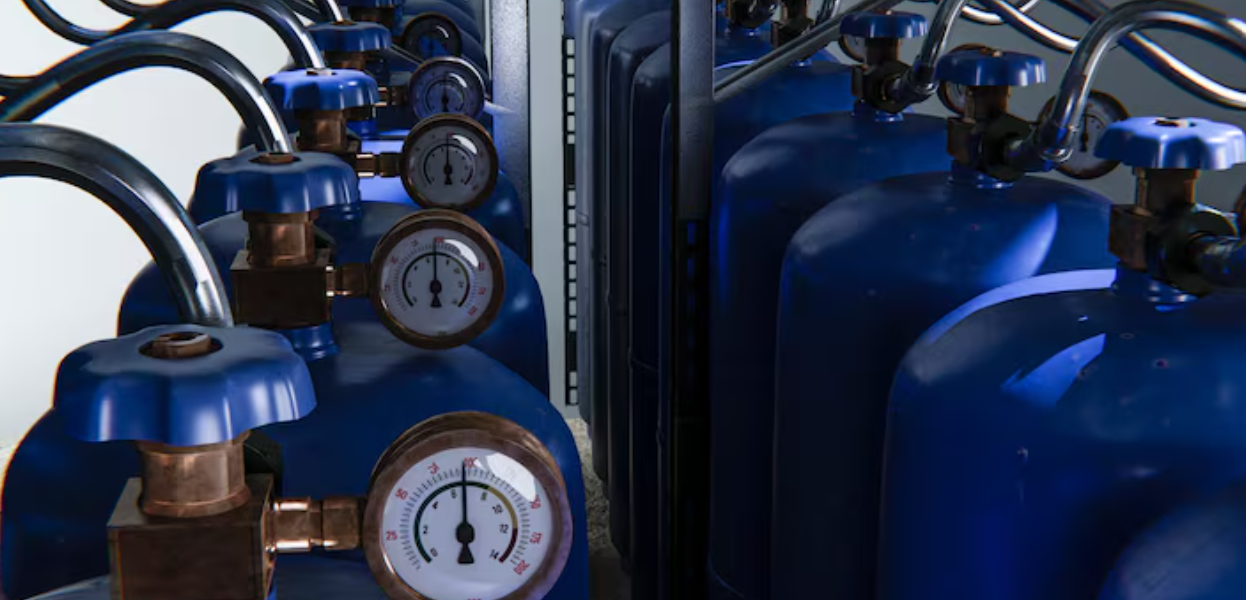
Advanced cleaning technologies have become essential across a wide range of industries, from manufacturing and electronics to healthcare, food processing, and energy production. As quality standards continue to rise and production processes become increasingly sophisticated, organizations require cleaning methods that are efficient, precise, environmentally responsible, and capable of meeting strict regulatory requirements. Industrial gases play a critical role in enabling many of these advanced cleaning solutions.
Industrial gases are used in various cleaning applications because of their unique physical and chemical properties. Whether removing contaminants from sensitive electronic components, sterilizing medical equipment, preparing metal surfaces for manufacturing, or supporting environmentally conscious cleaning methods, gases contribute significantly to achieving high-performance results. The collaboration between cleaning technology developers and gas suppliers helps ensure that industries can maintain cleanliness standards while improving operational efficiency and sustainability.
Understanding Advanced Cleaning Technologies
Advanced cleaning technologies refer to modern methods designed to remove contaminants, residues, particles, microorganisms, and unwanted substances from surfaces, equipment, and products. Unlike traditional cleaning processes that often rely heavily on solvents or manual labor, advanced cleaning systems frequently incorporate automation, precision controls, specialized equipment, and innovative materials.
These technologies may include cryogenic cleaning, plasma cleaning, gas-assisted surface preparation, controlled atmosphere cleaning, ultrasonic systems, and sterilization processes. Each method addresses specific cleaning challenges and often depends on industrial gases to achieve optimal performance.
The increasing complexity of products and manufacturing environments has driven demand for cleaning solutions capable of reaching microscopic levels of cleanliness. Industries such as semiconductor fabrication, aerospace engineering, pharmaceutical production, and biotechnology require cleaning methods that can eliminate even the smallest contaminants without damaging sensitive materials.
Why Industrial Gases Matter in Cleaning Applications
Industrial gases possess characteristics that make them highly effective for cleaning operations. Depending on the application, gases can provide cooling, oxidation, inert atmospheres, sterilization capabilities, or particle removal functions.
Many cleaning technologies rely on gases because they can interact with contaminants while minimizing damage to the underlying surface. In some cases, gases help replace liquid-based cleaning agents, reducing water consumption and limiting the generation of hazardous waste.
The use of industrial gases also supports precision cleaning processes. Manufacturers working with delicate electronic components or specialized medical devices often require cleaning methods that leave minimal residue and maintain product integrity. Gases can help achieve these goals by providing controlled and predictable cleaning conditions.
Cryogenic Cleaning and Carbon Dioxide Applications
Principles of Cryogenic Cleaning
Cryogenic cleaning is a process that uses extremely cold materials to remove contaminants from surfaces. One of the most widely used approaches involves carbon dioxide in solid pellet form. During cleaning, pellets are accelerated toward a target surface, where they help dislodge contaminants through thermal shock and mechanical action.
The rapid temperature change can cause unwanted materials to contract and separate from the underlying surface. At the same time, the impact energy contributes to contaminant removal without causing significant abrasion.
Benefits for Industrial Operations
Cryogenic cleaning offers several advantages compared with conventional cleaning methods. It can often be performed without disassembling equipment, reducing production downtime. Since carbon dioxide sublimates into a gas after impact, the process generates relatively little secondary waste.
This characteristic is particularly valuable in industries where minimizing cleanup requirements and maintaining operational continuity are important objectives. Manufacturing facilities, power generation sites, and food processing environments frequently benefit from these efficiencies.
Plasma Cleaning and Gas-Based Surface Treatment
How Plasma Cleaning Works
Plasma cleaning is widely used in industries that require exceptionally clean surfaces. The process creates a plasma environment by energizing gases under controlled conditions. The resulting plasma contains reactive species capable of breaking down organic contaminants and modifying surface characteristics.
This technology is especially useful when preparing surfaces for bonding, coating, painting, or microelectronic fabrication. Because plasma cleaning operates at a microscopic level, it can remove contaminants that are difficult to eliminate through traditional methods.
Supporting Precision Manufacturing
Electronics manufacturers rely heavily on plasma cleaning to prepare components before assembly. Even trace amounts of contamination can affect performance, reliability, and product lifespan.
Industrial gas suppliers contribute by providing gases with the purity levels required for plasma generation. Consistent gas quality helps ensure predictable cleaning performance and supports the stringent requirements of advanced manufacturing environments.
Supporting Semiconductor and Electronics Production
The semiconductor industry represents one of the most demanding sectors for advanced cleaning technologies. Modern microchips contain features measured in nanometers, making contamination control essential throughout the manufacturing process.
Industrial gases support numerous stages of semiconductor production, including wafer cleaning, chamber cleaning, surface conditioning, and contamination management. High-purity gases are particularly important because impurities can interfere with production processes and compromise product quality.
As electronic devices become smaller and more powerful, manufacturers continue to demand increasingly precise cleaning methods. The availability of reliable gas supplies enables these processes to operate consistently and meet rigorous quality expectations.
Sterilization and Healthcare Cleaning Technologies
The Importance of Sterility
Healthcare environments require cleaning technologies that go beyond visible cleanliness. Medical devices, surgical instruments, laboratory equipment, and pharmaceutical production systems must often meet strict sterility standards.
Various gas-based sterilization methods support these objectives by helping eliminate microorganisms that could pose risks to patients and healthcare professionals.
Advancing Medical Safety
Gas-assisted sterilization technologies are particularly valuable for temperature-sensitive materials that cannot withstand conventional heat-based sterilization methods. Certain medical devices contain plastics, electronics, or specialized materials that require alternative approaches.
Reliable gas supplies contribute to maintaining consistent sterilization conditions, supporting patient safety and regulatory compliance throughout healthcare operations.
Environmental Advantages of Gas-Assisted Cleaning
Reducing Chemical Usage
Environmental sustainability has become a major consideration in industrial cleaning. Many organizations seek alternatives to traditional solvent-based cleaning systems because of environmental concerns and regulatory requirements.
Gas-assisted cleaning technologies can help reduce dependence on chemical cleaning agents in certain applications. By minimizing solvent consumption, facilities may lower emissions, reduce hazardous waste generation, and improve workplace safety.
Conserving Resources
Some advanced cleaning systems supported by industrial gases require less water than conventional cleaning methods. Water conservation is becoming increasingly important as industries strive to manage resources more efficiently.
The adoption of cleaning technologies that minimize water use can support broader sustainability initiatives while maintaining high cleanliness standards.
Industrial Gas Suppliers and Process Reliability
The effectiveness of advanced cleaning technologies depends not only on equipment design but also on the quality and consistency of the gases used. An industrial gas supplier plays an important role in ensuring that gases meet the purity, pressure, and delivery requirements necessary for specialized cleaning applications.
Variations in gas composition can affect cleaning outcomes, particularly in highly sensitive industries. Consistent supply chains help organizations maintain operational stability and avoid interruptions that could impact production schedules.
Suppliers also contribute technical expertise related to gas handling, storage, transportation, and process optimization. Their support helps industries implement cleaning technologies safely and efficiently.
Enhancing Surface Preparation for Manufacturing
Many manufacturing processes require surfaces to be thoroughly cleaned before subsequent operations can occur. Coatings, adhesives, paints, and protective treatments often depend on surface cleanliness to achieve optimal performance.
Gas-assisted cleaning technologies help remove oils, residues, particles, and other contaminants that could interfere with adhesion or coating quality. Proper surface preparation improves product durability, appearance, and long-term reliability.
Industries such as aerospace, automotive manufacturing, renewable energy production, and advanced materials engineering frequently use gas-supported cleaning methods as part of their quality assurance programs.
Future Trends in Advanced Cleaning Technologies
Several emerging trends are expected to increase the importance of industrial gases in cleaning applications. Growing demand for miniaturized electronics, advanced medical devices, precision manufacturing, and environmentally sustainable production methods continues to drive innovation.
Researchers are developing more efficient plasma systems, improved cryogenic cleaning techniques, and advanced sterilization methods that leverage the unique properties of industrial gases. Automation and digital monitoring technologies are also being integrated into cleaning systems to improve consistency and process control.
As industries pursue higher performance standards and stricter environmental objectives, gas-assisted cleaning technologies are likely to become even more important. Their ability to support precision, efficiency, and sustainability positions them as valuable tools in modern industrial operations.
Conclusion
Advanced cleaning technologies play a critical role in ensuring product quality, operational efficiency, safety, and regulatory compliance across numerous industries. Industrial gases support many of these technologies by enabling precise contaminant removal, surface preparation, sterilization, and environmentally responsible cleaning processes.
From cryogenic cleaning and plasma treatment to semiconductor manufacturing and healthcare sterilization, industrial gases contribute to the effectiveness of modern cleaning solutions. As technological demands continue to evolve, the partnership between advanced cleaning systems and reliable gas supply networks will remain essential for supporting innovation, productivity, and sustainable industrial development.