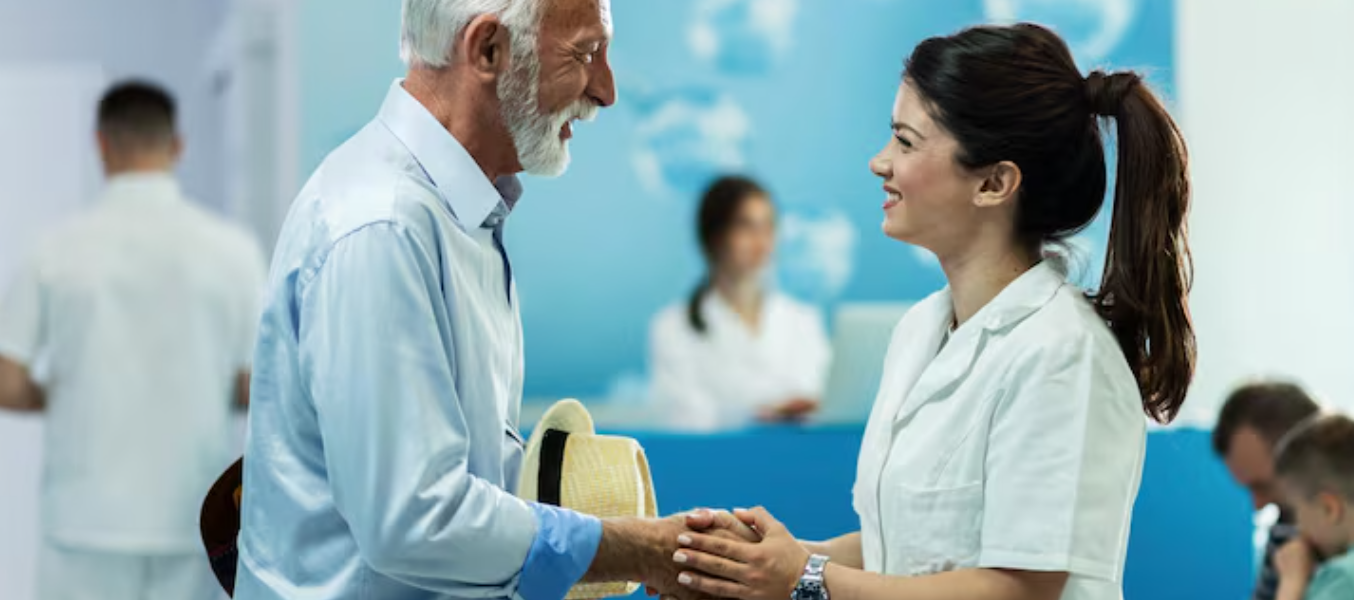
Healthcare systems around the world are becoming increasingly interconnected. As medical professionals, humanitarian organizations, and public health experts work across borders, there is growing recognition that healthcare is not only about advanced technology and modern clinical treatments. It is also deeply connected to culture, history, and community traditions. In many regions, traditional healing practices continue to play an important role in daily life and healthcare decision-making.
Rather than viewing traditional and modern medicine as competing systems, many healthcare leaders now support approaches that encourage cooperation where appropriate. This perspective helps improve trust, strengthen patient engagement, and create more culturally responsive healthcare services. Bridging traditional healing approaches with modern international medical support can contribute to better healthcare outcomes while respecting local values and customs.
Understanding Traditional Healing Approaches
Traditional healing refers to healthcare practices, knowledge, and beliefs that have been developed and passed down through generations within specific communities. These approaches often incorporate natural remedies, physical therapies, spiritual practices, and community-based methods of care.
Traditional healing systems vary significantly across regions. Some focus on herbal medicine, while others emphasize nutrition, physical balance, massage therapies, or holistic wellness practices. Many communities rely on traditional healers because they are accessible, trusted, and deeply connected to local culture.
The continued use of traditional medicine is significant worldwide. According to the World Health Organization (WHO), traditional medicine remains an important source of healthcare for many populations and is often used alongside modern medical services. In some regions, traditional practitioners represent one of the most accessible forms of healthcare available to local communities.
Understanding these practices is essential for healthcare providers working internationally. Respect for cultural traditions helps create stronger relationships between medical teams and the populations they serve.
The Growth of Modern International Medical Support
Advances in medicine, technology, and global cooperation have transformed healthcare delivery across the world. International medical organizations now provide support in areas such as emergency response, disease prevention, maternal health, surgery, vaccination programs, and healthcare workforce training.
Modern international medical support often involves collaboration between governments, humanitarian organizations, universities, healthcare institutions, and local communities. These efforts help improve access to healthcare services, particularly in regions affected by natural disasters, economic challenges, or limited medical infrastructure.
The goal is not simply to introduce advanced medical treatments but also to strengthen healthcare systems in sustainable ways. Successful programs recognize that healthcare solutions are most effective when they are adapted to local cultural and social contexts.
As healthcare becomes more global, medical teams increasingly understand the importance of cultural competence and community engagement. This has encouraged more constructive dialogue between traditional healing practitioners and modern healthcare professionals.
Why Integration Matters
Building Trust Within Communities
Trust is one of the most important factors in healthcare delivery. Patients are more likely to seek treatment, follow medical advice, and participate in preventive care when they trust healthcare providers.
In many communities, traditional healers have earned trust over generations. They often serve as respected advisors and community leaders. Ignoring their role can create barriers between healthcare organizations and local populations.
By acknowledging the value of traditional healing practices and engaging with community leaders, healthcare providers can foster stronger relationships and improve participation in health programs.
Improving Access to Care
Many rural and underserved areas face shortages of healthcare professionals and medical facilities. Traditional healers may be among the first people community members consult when health concerns arise.
When healthcare systems establish cooperative relationships with trusted traditional practitioners, patients can be encouraged to seek medical evaluation when necessary. This creates referral pathways that help connect individuals with appropriate healthcare services.
Such collaboration can be especially valuable in public health initiatives involving maternal care, child health, vaccination campaigns, and chronic disease management.
Supporting Patient-Centered Care
Modern healthcare increasingly emphasizes patient-centered approaches that respect individual values, beliefs, and preferences.
Patients often draw on both traditional and modern healthcare practices. Understanding these preferences allows healthcare professionals to provide more personalized care while maintaining evidence-based medical standards.
When patients feel that their cultural perspectives are respected, communication improves and healthcare experiences become more positive.
Areas Where Traditional and Modern Medicine Can Work Together
Health Education and Prevention
Traditional healers often hold influential positions within communities. Their involvement in health education programs can help communicate important public health messages in culturally appropriate ways.
Topics such as hygiene, nutrition, disease prevention, maternal health, and healthy lifestyles can benefit from collaboration between healthcare providers and community leaders.
Educational initiatives become more effective when they incorporate local knowledge and cultural understanding.
Community Outreach Programs
International healthcare organizations frequently conduct outreach activities to improve access to medical services. Partnering with local healers can help identify community needs and increase participation in healthcare programs.
Traditional practitioners often possess valuable insights into local health concerns, cultural practices, and barriers to healthcare access. Their knowledge can support the development of more effective interventions.
Community-based partnerships create opportunities for mutual learning and cooperation.
Mental and Emotional Well-Being
Many traditional healing systems emphasize holistic wellness, including emotional, social, and spiritual dimensions of health.
Modern healthcare increasingly recognizes the importance of addressing mental and emotional well-being alongside physical health. Community support networks, cultural traditions, and locally trusted practices can contribute positively to overall wellness.
While clinical mental health services remain essential, incorporating culturally relevant support systems can improve patient engagement and recovery outcomes.
Challenges in Building Effective Partnerships
Ensuring Safety and Evidence-Based Care
One of the primary challenges involves ensuring that healthcare interventions are safe and supported by scientific evidence.
Not all traditional remedies or practices have been thoroughly studied. Healthcare providers must carefully evaluate treatments to identify potential benefits, risks, and interactions with modern medications.
Open communication between traditional practitioners and medical professionals helps promote patient safety while encouraging respectful dialogue.
Addressing Misunderstandings
Differences in training, terminology, and healthcare philosophies can sometimes create misunderstandings between traditional healers and medical professionals.
Building trust requires ongoing communication, education, and mutual respect. Healthcare organizations that invest in cultural competence training often achieve stronger partnerships and better community engagement.
Recognizing shared goals—such as improving health and reducing suffering—can help bridge differences between healthcare systems.
Maintaining Ethical Standards
International healthcare programs must uphold ethical standards that prioritize patient welfare, informed decision-making, and evidence-based care.
Partnerships with traditional practitioners should be guided by clear standards that protect patients while respecting cultural traditions. Transparency and accountability are essential components of successful collaboration.
The Role of International Medical Relief Efforts
Humanitarian healthcare initiatives increasingly recognize the importance of cultural understanding in medical interventions. During emergencies and long-term development programs, organizations providing international medical relief often work closely with local healthcare providers and community leaders.
This collaborative approach helps ensure that healthcare services are both effective and culturally appropriate. Local knowledge can improve communication, identify vulnerable populations, and support the successful implementation of health programs.
In crisis situations, healthcare teams that understand local traditions are often better positioned to build trust and deliver care efficiently. Cultural awareness can significantly improve the acceptance of medical services and strengthen community cooperation.
As humanitarian organizations continue to expand their global reach, integrating cultural perspectives into healthcare planning remains an important priority.
Building the Future of Collaborative Healthcare
Expanding Research
Researchers continue to study traditional healing practices to better understand their potential contributions to healthcare. Scientific evaluation helps identify practices that may complement modern medical care while ensuring patient safety.
Collaboration between researchers, healthcare providers, and traditional practitioners can generate valuable insights and support evidence-based integration strategies.
Strengthening Healthcare Training
Medical education programs increasingly include cultural competence and community engagement training. These skills help healthcare professionals work effectively in diverse environments and communicate with patients from different cultural backgrounds.
Training programs that encourage understanding of local traditions can improve healthcare delivery and strengthen international partnerships.
Encouraging Mutual Respect
Successful collaboration depends on mutual respect between traditional healers and modern healthcare professionals. Both groups often share a common objective: improving the health and well-being of individuals and communities.
Creating opportunities for dialogue, education, and cooperation helps build stronger healthcare systems that are responsive to local needs while benefiting from scientific advances.
Conclusion
Bridging traditional healing approaches with modern international medical support represents an important opportunity for global healthcare. By combining cultural understanding with evidence-based medicine, healthcare organizations can improve trust, expand access to care, and create more patient-centered services.
Traditional healing practices remain meaningful for millions of people worldwide, while modern medicine provides powerful tools for diagnosis, treatment, and disease prevention. When these approaches are thoughtfully and responsibly integrated, they can complement one another in ways that benefit patients and communities.
As healthcare systems continue to evolve, partnerships based on respect, communication, and scientific integrity will play a crucial role in creating more inclusive and effective healthcare solutions. Through collaboration between local traditions and modern medical expertise, communities can gain access to healthcare that is both culturally relevant and medically sound.